
What is Biltong?
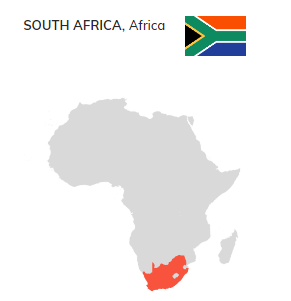
Biltong is a South African snack, that is produced and made in a very unique manner. The origin of the word Biltong comes from dutch; Bil (tail) + tong (strip). In short, strip of meat.
And why Dutch? One of the most striking native people in South Africa’s history were the “Voortrekkers“, name given to the Dutch people that lived in South Africa during that period. These survived recurring to hunt practices, but faced great challenges as the meat spoiled easily due to the climate. It was then that they had to look for other survival techniques, being one of them the meat curing, dehydration and defatting, allowing the meat to be preserved for much longer, while remaining equally or even tastier.
Africa has one of the largest varieties of meats, namely game meats, so it is common to find in Africa (namely South Africa) Biltong made out of various meets, such as Kudu, Springbok e Wildebeest, but there are also other variants made of Ostrich, Chicken and even Shark meat. The most common used meat (and the one I use in my products area) is first category beef (or bull).
This fabulous snack is appreciated not only due to it’s unique flavour, but also for due to the fact that it is very rich in proteins, with a low carbohydrate content, which is appropriate for many diets. Biltong is also an exceptionally rich source of iron, a nutrient lacking in many people around the world nowadays.
The secrets behing this unforgettable snack are namely the processes applied to obtain it. There resume to:

- CURING: main objective is the elimination of bacteria and preparing the meat for the seasoning. Curing is based on salt and vinegar (typically brown), where the meat remains in this solution for several hours.
- SEASONING: after curing, the meat is rubbed with the spice mixture, where the coriander seeds stand out and give the main touch to this delicacy.
- DRYING: the longest but fundamental process for obtaining the traditional Biltong. The meat is set to dry in an environment with controlled humidity for several days. The number of days differs depending on the temperature, humidity, the thickness of the meat, and personal tastes. There are those who like Biltong more pink, others more dried, etc.
This snack is somewhat expensive for 2 main reasons. First it required first category meat, and second because 1Kg fresh meat turns into less than half the weight when it is dried out, as most of the humidity that fresh meat has (which gives it the weight) is lost.
As a variant of Biltong, there is Dryworse, that is equally delicious and has all the sane nutrients as the Biltong. Dryworse takes the form of a fine or thin sausage, where the meat is minced before the CURING process. Dryworse becomes even more interesting as it conserves longer than Biltong, thanks to the casing used to protect the meat.
Is Biltong the same as the famous american Beef Jerky Biltong?
NO!!!. Although there is a lot of comparison between the two, they are very different in taste and texture. American jerky tends to be more spongy and sweeter, while Biltong is drier and much richer in unsweetened spices, giving it much more intense and rich flavor.
The manufacturing processes are very different as well. Biltong is dried in natural (ventilated) air, while beef jerkey uses smoking techniques.